

“Hello, I am Prithvi Ramesh. I love branding, consumer psychology and the stories behind great marketing campaigns. In this blog I share my thoughts on how brands deal with challenges, build trust and connect with people.”
The Ultimate Guide to Crisis Management: Top 3 Case Studies and Strategies to Overcome Challenges
Understanding Crisis Management: Definition and its Importance
Crisis management is the identification, treatment and recovery from events that can damage a brand’s image and operations. In today’s digital world, one mistake can spread widely across the internet in minutes, affecting a brand’s reputation and customer trust. From product defects, controversial ads, social media backlashes to data breaches, companies deal with issues that may quickly escalate into major crises. It’s about clear communication, quick decisions and strategic moves to minimize damage and rebuild consumer trust.
In this blog we’re going to talk about what crisis management is, why it’s important, and how some of the biggest brands in the world have successfully managed a crisis and turned setbacks into opportunities.
Importance of Crisis Management
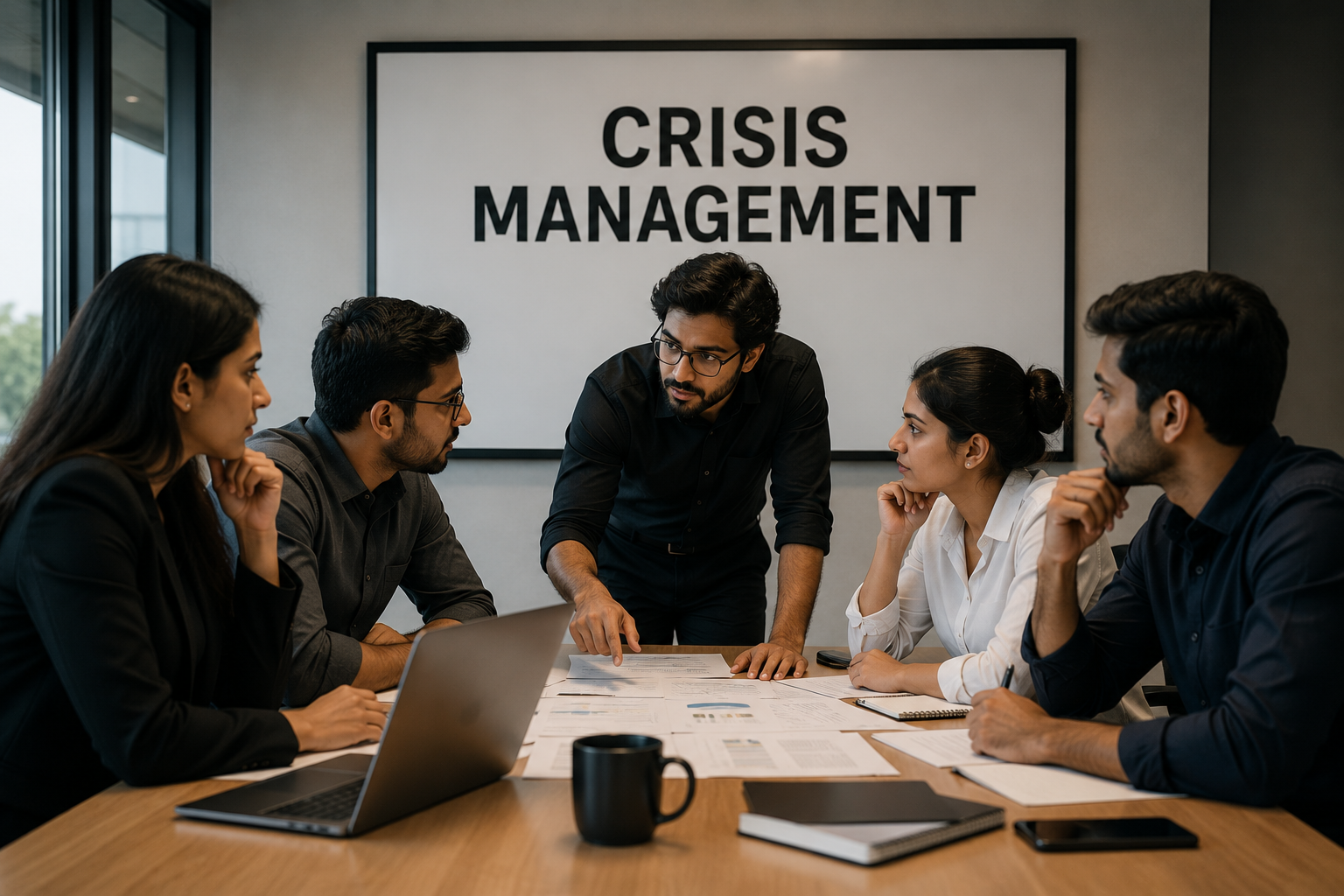
In the digital era, crisis management has become more crucial. Social media makes it possible for news to circulate more quickly than before, and public opinion may shift in a matter of minutes. Businesses that don’t react promptly and openly frequently face long-term repercussions, such as financial losses and reputational harm. Alternatively, companies that speak openly and accept accountability for their actions are more likely to win back the public’s trust and become stronger.
Every organization, regardless of size or industry, will experience crises and reputational challenges. No company is immune to mistakes, controversies or unexpected disruptions. But what really makes a brand is not the crisis itself but how it responds to the crisis. Often customers will forgive and stay loyal to a company if it owns up to its mistakes, communicates openly and demonstrates a real commitment to making improvements.
Types of Crises that Organizations face and their impact
Crises may affect any company. Companies have difficulties in today’s globalized environment that may result from internal errors, external occurrences, or unanticipated events. While some crises have an impact on a company’s profits, others might harm its brand, cause operational disruptions, or erode consumer confidence. Organizations may better plan for and respond to crises when they are aware of the many kinds of crises.
Corporate and Reputational Crises

A corporate and reputational crisis arises when an organization’s decisions, actions, products, or leadership have a negative effect on the public’s view and undermine the confidence that stakeholders, investors, workers, and consumers have in the business. In the current digital era, a single error may go viral in a matter of minutes, transforming a local problem into a worldwide crisis.
For example, in 2015, Volkswagen faced a major reputational crisis when it was discovered that the company had manipulated emissions tests in millions of vehicles. Customers felt betrayed, governments imposed heavy fines, and the company’s reputation suffered significantly.
Such crises have a broad impact that go far beyond the headlines. Businesses may see a decrease in revenue, a decline in investor confidence, a loss of client loyalty, and long-term harm to their brand image. Customers, however, are frequently prepared to support businesses that own up to their errors, communicate openly, and show a sincere desire to improve.
Financial Crises

When an institution has serious economic challenges that endanger its stability and long-term existence, it is said to be in a financial crisis. Declining revenues, excessive debt, fraud, bad financial management, market crashes, or unanticipated economic downturns can all cause these crises. Financial crises immediately influence a company’s capacity to run, pay its employees, and make investments in future expansion, in contrast to reputational crises, which mainly effect public image.
One of the most prominent instances is the global financial crisis of 2008, when a number of significant financial firms, notably Lehman Brothers, failed as a result of hazardous investments and growing debt. Millions of jobs were lost as a result of the crisis, which also caused economic instability and a worldwide recession. In a more recent example of how financial crises may swiftly spread across industries, the failure of Silicon Valley Bank in 2023 caused anxiety for investors and businesses globally.
Natural Disasters and Public Emergencies
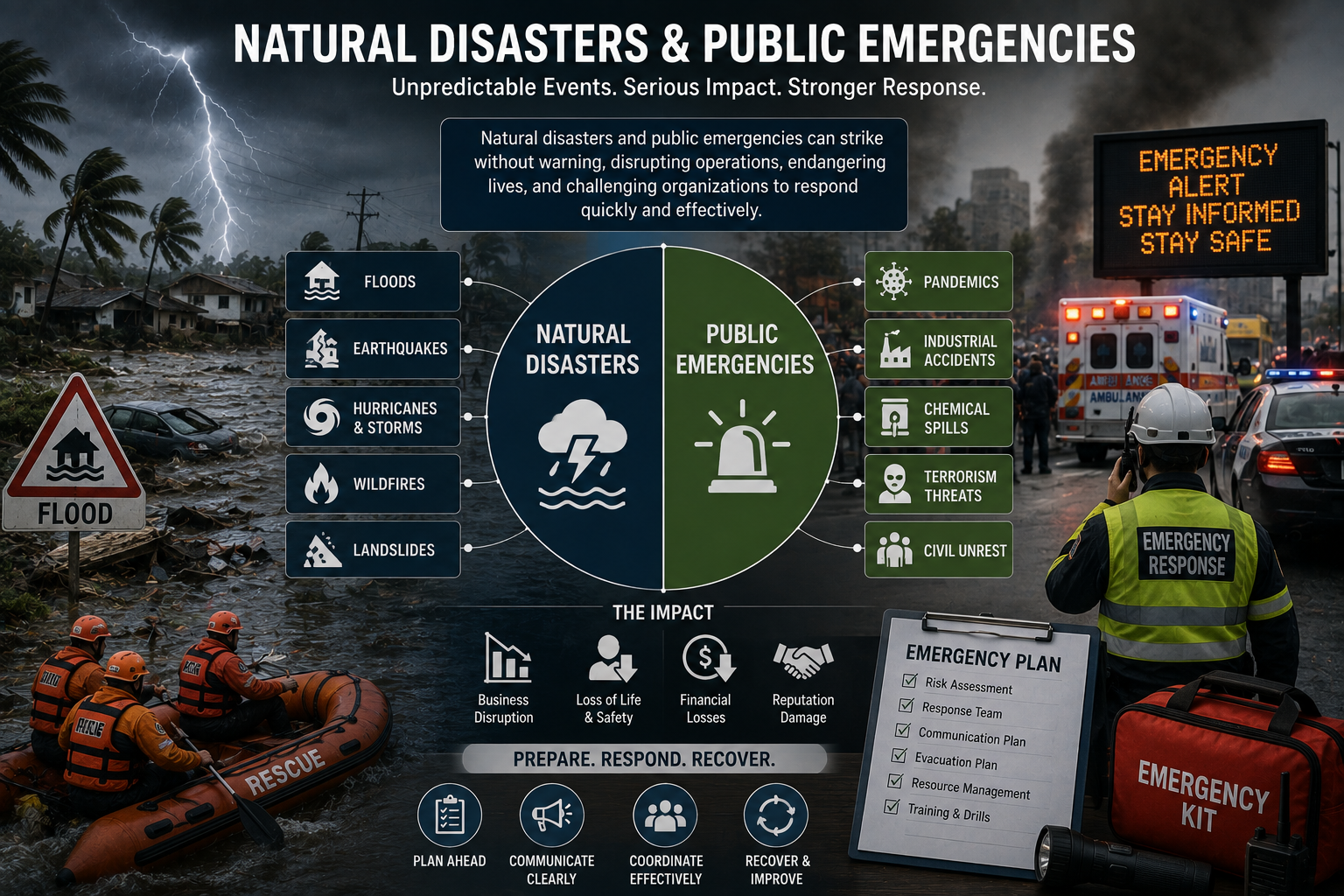
Unexpected occurrences like earthquakes, floods, hurricanes, pandemics, and wildfires that interfere with an organization’s operations and endanger public safety are referred to as natural disasters and public crises. These occurrences are frequently out of a company’s control, unlike business or financial crises, thus readiness and resilience are crucial.
One of the biggest instances of a public emergency in recent memory is the COVID-19 epidemic. Lockdowns, supply-chain interruptions, personnel shortages, and economic instability plagued businesses worldwide. Retail businesses, hotels, restaurants, and airlines all suffered significant losses, and many organizations had to switch to remote work arrangements in order to stay in business. Organizations that invest in emergency response plans, backup systems, and disaster recovery strategies are better equipped to handle these unpredictable situations. Effective preparation enables businesses to recover faster and maintain continuity during times of crisis.
Operational Disruptions
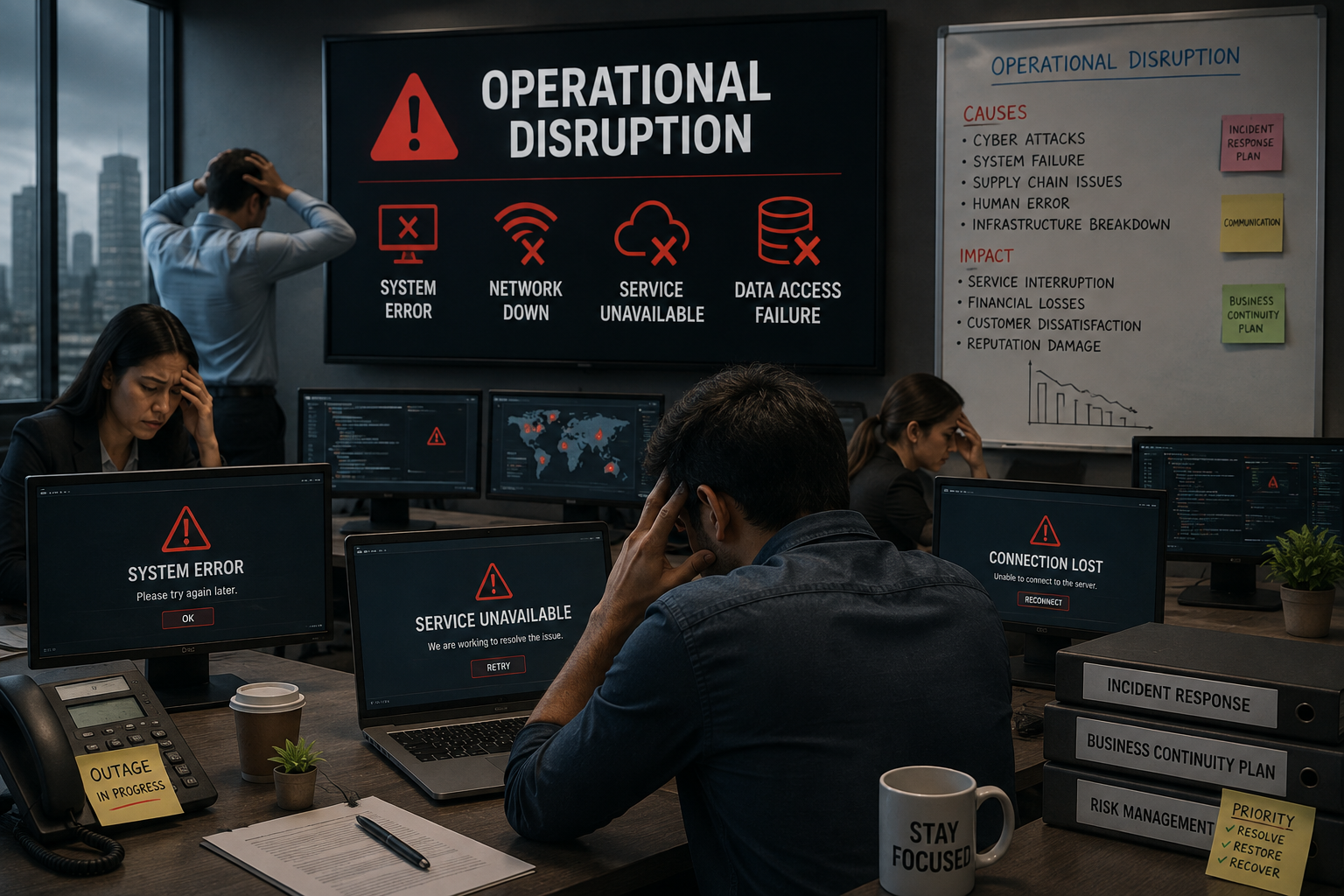
An operational crisis occurs when the systems, processes, or technologies that support an organization’s day-to-day activities fail or become disrupted. These disruptions can result from cybersecurity attacks, supply-chain failures, technical malfunctions, human error, or infrastructure breakdowns.
For instance, a global outage on Facebook, Instagram, and WhatsApp in 2021 prevented billions of people from accessing the sites for many hours. Businesses, marketers, and consumers all across the world were impacted by the outage, underscoring how reliant on technology contemporary corporations are. Another illustration is the COVID-19 pandemic’s supply-chain interruptions, which resulted in shortages of necessary goods and postponed delivery in a number of businesses. Lack of raw materials and transportation issues made it difficult for manufacturers, merchants, and logistics organizations to continue operating normally. Operational interruptions have considerably more effects than just postponed services. Financial losses, unhappy customers, lower productivity, and reputational harm are all possible outcomes for businesses.
The Role of Communication in Crisis Management: Building Trust and Transparency
One of the most crucial aspects of crisis management is communication. People seek for correct information, confidence, and direction during a crisis. Consumers, staff, investors, and the media all anticipate prompt and open responses from businesses. A company’s reputation might be further harmed by a lack of communication, which can also lead to misunderstanding and misinformation.
During challenging times, an efficient crisis communication strategy enables firms to convey messages in a clear and consistent manner. It specifies who will interact with stakeholders, what information should be disseminated, and which channels—such as emails, press conferences, social media, and formal statements—should be used. Organizations may respond quickly and reduce uncertainty by having a clear communication plan. Internal communication is equally important. Employees are often the first ambassadors of a company during a crisis, and keeping them informed helps maintain trust and coordination. Ultimately, successful crisis management is not only about solving the problem but also about communicating effectively. Organizations that prioritize transparency, empathy, and clear messaging are more likely to maintain trust and emerge stronger from challenging situations.
Case Studies: Successful Crisis Management Examples and Lessons Learned
I. KFC: The "FCK" Campaign (2018)

THE CRISIS: One of the largest crises in KFC‘s UK history occurred in February 2018. In an effort to save expenses and increase efficiency, the firm recently changed its logistics partner. Nevertheless, hundreds of KFC locations nationwide were left without one crucial component—chicken—after the new supply-chain system failed. Over 900 establishments were forced to temporarily close. KFC’s business and image were both at risk due to the situation. The business had to act quickly since years of client trust were at risk.
THE CHALLENGE: KFC faced a number of difficulties as a result of the situation: Consumers were upset and dissatisfied, staff members had uncertainty and bewilderment, the media covered the issue nonstop, social media users made fun of the company. It may have gotten worse if the issue had been ignored or if a generic apology had been offered. KFC asked for an answer that was truthful, memorable, and consistent with its brand identity.
HOW KFC RESPONDED: The famous KFC bucket was used in the campaign, however the letters were altered to form “FCK” rather than “KFC” and offered an apology to consumers underneath the image. The message was straightforward, funny, and sincere. Instead of offering justifications, KFC took accountability and demonstrated to its patrons that it was aware of their annoyance. KFC used humor without undermining the seriousness of the situation, making the apology feel authentic rather than corporate.
II. Maggi's Food Safety Crisis: Rebuilding Trust Through Transparency

THE CRISIS: In 2015, Maggi, one of India’s most beloved instant noodle brands, faced a major crisis when food safety authorities alleged that some samples contained excessive levels of lead and monosodium glutamate (MSG). The news spread rapidly across television channels, newspapers, and social media, causing widespread panic among consumers. For decades, Maggi had been more than just a snack—it was an emotional part of many Indians’ childhoods. Therefore, the controversy not only affected sales but also severely damaged the trust that consumers had built with the brand over the years. As concerns grew, several Indian states imposed restrictions, and the Food Safety and Standards Authority of India (FSSAI) ordered a nationwide ban on Maggi noodles in June 2015.
THE CHALLENGE: The crisis presented Nestlé, Maggi’s parent company, with several critical challenges: Consumer trust had been shattered, the media extensively covered the controversy, government agencies questioned the product’s safety, retailers removed Maggi from their shelves, competitors gained an opportunity to capture market share.
HOW NESTLE RESPONDED: Nestlé responded by withdrawing thousands of tonnes of Maggi noodles from stores across India. The company cooperated with regulatory authorities and conducted extensive laboratory tests in India and abroad to address safety concerns. After multiple rounds of testing confirmed that Maggi met safety standards, the ban was lifted in November 2015, allowing the brand to return to the market.
Ads emphasized family time, nostalgia, and the close relationship that individuals had with Maggi. Additionally, the business informed customers that product safety remained its top concern and highlighted its quality-control procedures. Maggi eventually reclaimed its market share and rose to prominence as one of the most well-known instant noodle companies in India.
III. Starbucks' Racial Bias Crisis: A Lesson in Accountability and Corporate Responsibility
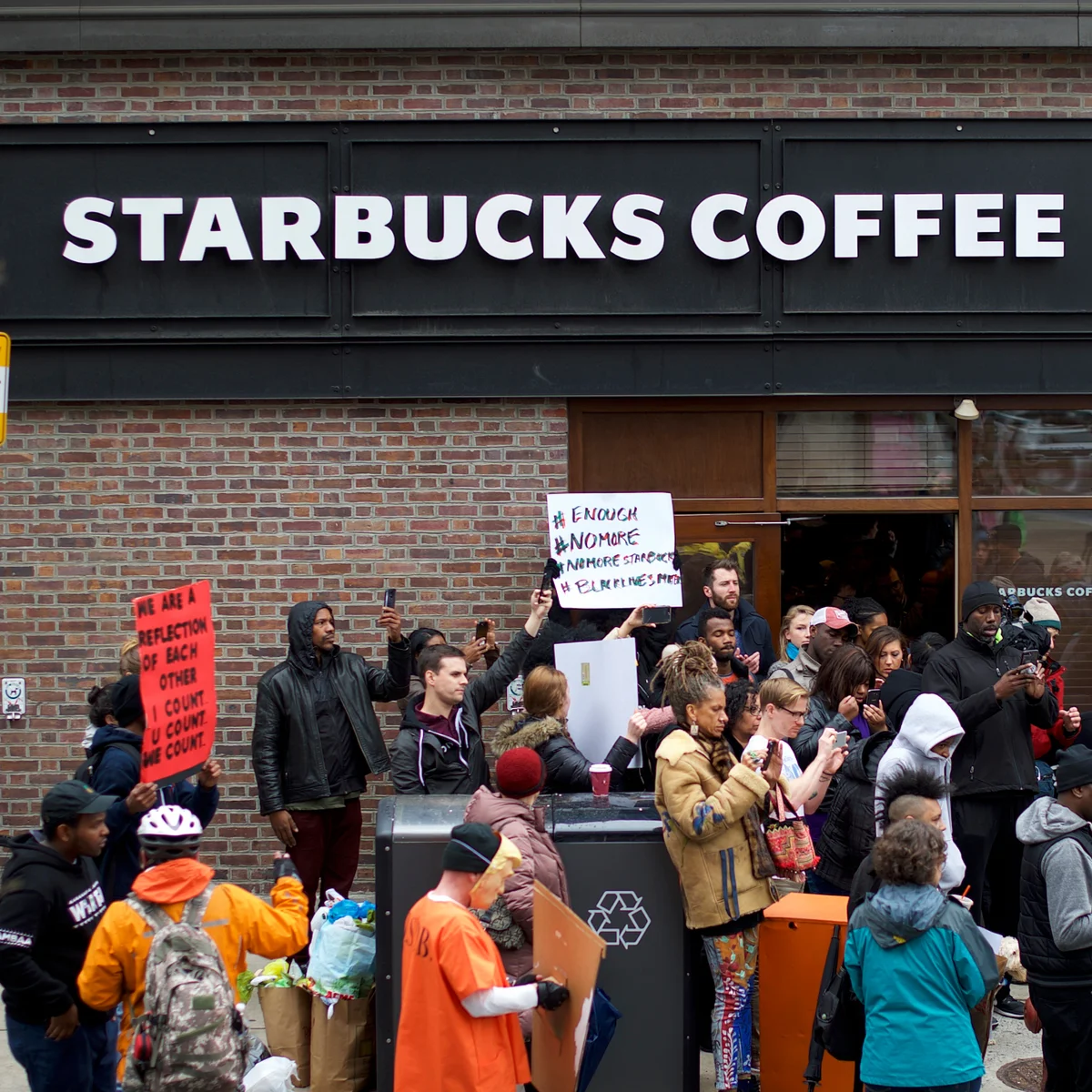
THE CRISIS: In April 2018, Starbucks faced one of the biggest reputational crises in its history when two African American men were arrested at a Starbucks store in Philadelphia, United States. The men had entered the café for a business meeting and were waiting for a friend when an employee called the police, claiming that they had not made a purchase. A video of the incident quickly went viral on social media, sparking widespread outrage and accusations of racial discrimination. Millions of people criticized Starbucks, questioning the company’s commitment to inclusivity and equality.
THE CHALLENGE: Starbucks faced several major challenges during the crisis: Public outrage spread rapidly across social media, customers accused the company of racial bias, media outlets extensively covered the incident, employee morale was affected, the company’s reputation for inclusivity was at risk.
HOW STARBUCKS RESPONDED: Starbucks’ CEO, Kevin Johnson, publicly apologized for the incident and personally met with the two men involved. Starbucks offered free college education through its partnership with Arizona State University, but the men declined the offer. Starbucks committed $200,000 to support entrepreneurship and educational programs for young people in Philadelphia.
Conclusion
But as the case studies of KFC, Maggi, Starbucks, and other global brands show, an organization’s reaction to a crisis—rather than the crisis itself—is what defines it. During difficult times, companies may negotiate uncertainty, safeguard their brand, and uphold consumer trust with effective crisis management. Companies that own their mistakes, must speak openly, and take significant corrective action are more likely to win back the trust of the public and grow stronger than before. Companies are better prepared to handle problems in the future if they anticipate unpredictability and regularly assess their answers. Through good crisis management, organizations that place a high priority on accountability, openness, and resilience may turn even the most challenging circumstances into important lessons for long-term success.